




Hi there! How can we help you today?

Climate Change and Livelihoods in the Albertine Region: What Communities Are Telling Us
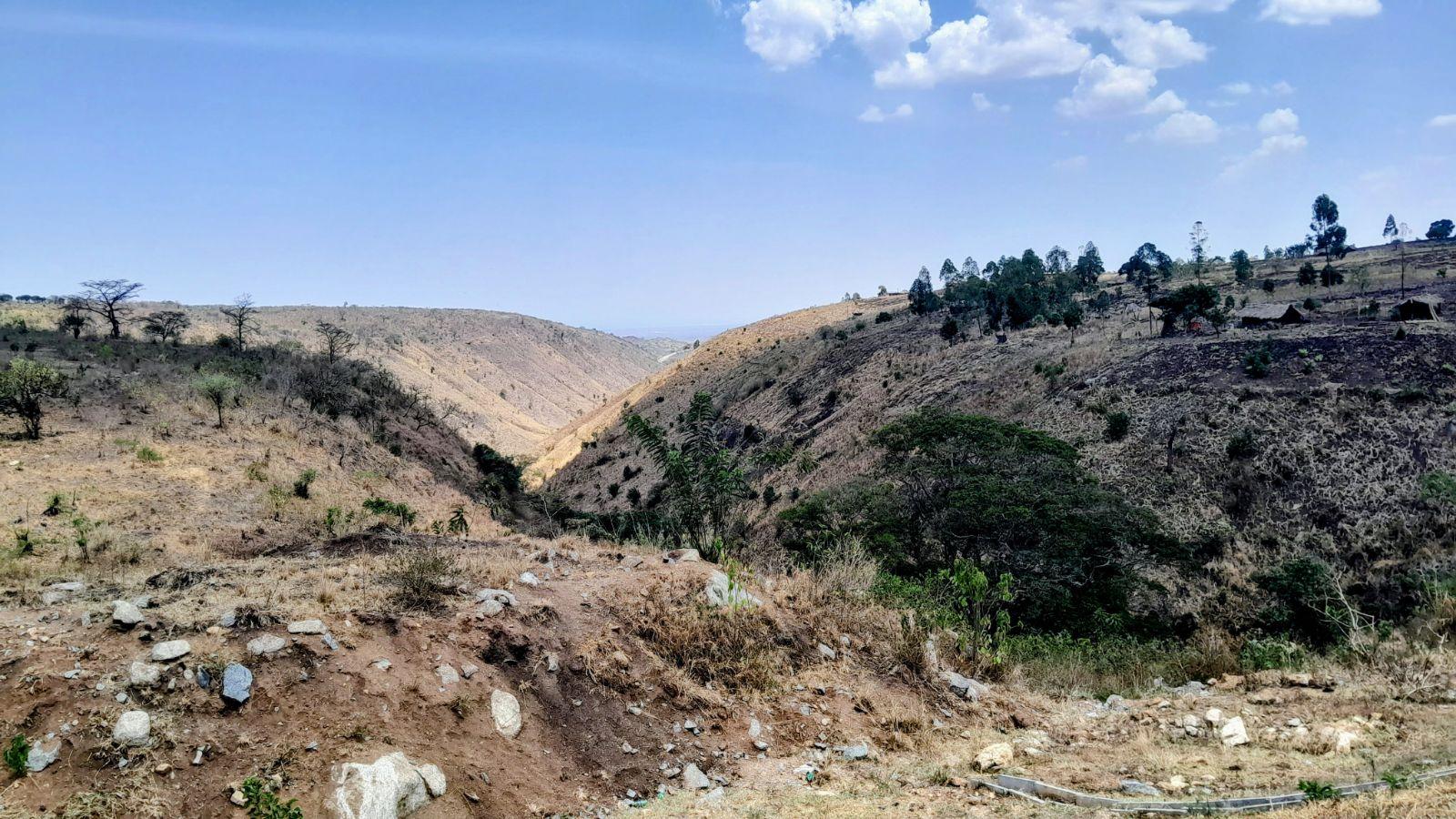
Across the Albertine region, climate change is no longer a distant warning. It is showing up in gardens, landing sites, trading centres, wetlands, sugarcane fields, tobacco farms, and fishing communities along Lake Albert. As Rural Smiles Foundation moved through selected districts in the Albertine region, we encountered communities whose lives are tied closely to land, water, forests, and seasonal rainfall. We met tobacco growers, sugarcane farmers, smallholder households, young people searching for work, women managing food and water needs, and fishing communities whose livelihoods depend on Lake Albert. The message from these communities was clear: the climate is changing, and rural livelihoods are changing with it.
Farming communities are feeling the pressure
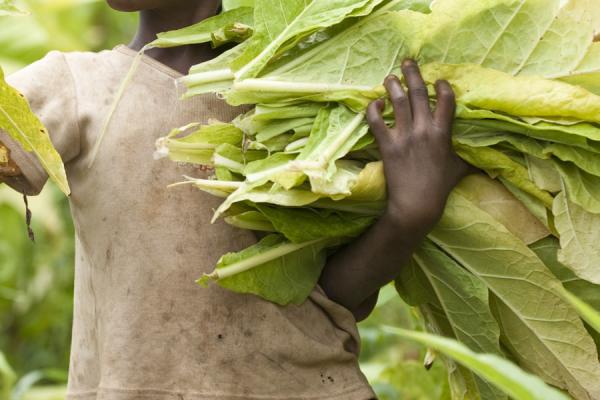
In several communities, agriculture remains the main source of household survival. Families grow food crops for home consumption, while some depend on commercial crops such as tobacco and sugarcane for income. These crops are important to local livelihoods, but they also reveal how exposed rural households are to climate stress. Tobacco growers told us that farming is becoming less predictable. Some farmers spoke about changing rainfall patterns, rising production costs, and declining soil fertility. Others said they continue growing tobacco because it offers a known market, even when the work is demanding and the returns are uncertain. Sugarcane farmers shared a similar story. For many households, sugarcane is seen as a cash crop that can support school fees, medical bills, and household needs. Yet farmers also raised concerns about land pressure, long growing cycles, reduced space for food crops, and the risk of income loss when weather conditions affect yields.
These community experiences reflect a wider national reality. Uganda’s Fourth National Development Plan recognises that heavy reliance on rain fed agriculture, combined with limited irrigation, makes the economy highly vulnerable to climate variability, including erratic rainfall, droughts, and floods. FAO and UNDP also note that Uganda faces rising temperatures, erratic rainfall, frequent floods, and droughts, while about 81 percent of the population remains engaged in rain fed subsistence farming. For rural households in the Albertine region, this is not just climate data. It is daily life. When rains delay, crops fail. When rains become too heavy, gardens are destroyed. When soils are exhausted, farmers must spend more to produce less. When commercial crops occupy more land, household food security can become fragile.
Tobacco, sugarcane, and the climate livelihood question
Tobacco and sugarcane farming raise a difficult but important question: how can communities earn income without damaging the natural systems they depend on? Tobacco farming can contribute to tree cutting where wood is used for curing, and it can place pressure on land and soil health. Recent research on replacing tobacco with alternative crops notes that Uganda, as a party to the WHO Framework Convention on Tobacco Control, has obligations to promote economically viable alternative livelihoods for tobacco farmers and workers.
Sugarcane also brings both income and risk. Public reporting on sugarcane expansion in Uganda has linked the crop to soil depletion, reduced food crop diversity, and household food pressure in some communities. While these reports focus mainly on other sugarcane growing areas, the warning is relevant for the Albertine region: cash crop expansion must be planned carefully so it does not weaken food security, soil health, and climate resilience. Rural Smiles Foundation believes the answer is not to blame farmers. Farmers are making survival choices in a difficult economy. The real issue is whether rural households have access to better options: climate smart agriculture, agroforestry, alternative livelihoods, irrigation support, fair markets, soil restoration, green skills, and financial services that reduce dependence on risky production systems.
Lake Albert communities are facing floods and livelihood disruption
Around Lake Albert, fishing communities told us that flooding is affecting their work, homes, and income. Community members described changing lake conditions, damaged landing areas, disrupted fishing activity, and increased uncertainty for households that depend on fish trade. This concern is supported by wider reporting on Lake Albert and fishing livelihoods. Lake Albert supports many households through fishing and small scale farming, and the basin is also ecologically important because of its wetlands, biodiversity, and proximity to protected areas. Reports from fishing communities around Lake Albert have documented how rising water levels and flooding have affected communities living close to lakes and rivers since 2019.
For fisherfolk, flooding is not only about water levels. It affects where people live, where boats land, how fish is dried or sold, how children go to school, how women traders earn income, and how families access health services. When landing sites are flooded or unstable, the whole local economy suffers. Community members also raised concerns about the future of fishing in a region facing climate pressure, land pressure, and oil related development. Recent public reporting has highlighted calls for stronger protection of Lake Albert fishing communities affected by oil developments and displacement concerns. This makes Lake Albert a climate justice issue as much as a livelihood issue.
Climate change is affecting women first
In the communities we visited, women carried many of the hidden costs of climate change. When water sources become unreliable, women and girls walk longer distances. When food crops fail, women manage household hunger. When income drops, women absorb the stress of unpaid care, debt, and survival decisions. When floods affect roads, pregnant women face greater danger reaching health facilities.
This matters deeply for Rural Smiles Foundation because climate resilience cannot be separated from health rights, maternal care, food security, and economic empowerment. Uganda’s maternal mortality remains a serious concern, with recent WHO reporting placing it at about 189 deaths per 100,000 live births. In rural climate affected communities, maternal risk can increase when roads flood, health centres lack reliable electricity, referral systems fail, or households lack money for transport. A climate-resilient Albertine region must therefore include solar-powered health facilities, stronger Village Health Teams, reliable referral systems, clean water access, and community-level early warning.
Youth need green livelihood pathways
Young people in the Albertine region are watching land, farming, fishing, and local economies change. Some are drawn into casual labour. Others depend on crop farming, fishing, motorcycle transport, petty trade, or seasonal work. But climate stress is narrowing their options. This is where climate action must become practical. Youth do not only need awareness sessions. They need skills, tools, and income pathways. Rural Smiles Foundation sees strong potential in climate smart agriculture, agroforestry and nursery management, solar installation and maintenance, clean cooking technologies, fish value chain improvement, digital climate reporting, irrigation and water management repair, fabrication, and green vocational skills. If youth are supported as climate actors, they can help communities monitor risks, restore ecosystems, support green enterprise, and create local solutions.
The Albertine region needs community-led climate action
The Albertine Graben is one of Uganda’s most important ecological and economic regions. It contains wetlands, forests, wildlife habitats, Lake Albert, farming communities, fishing communities, and oil related infrastructure. Recent reporting describes it as one of Africa’s biodiverse regions, where development, land, water, and climate justice questions meet.
But the future of the region cannot be discussed only from boardrooms, oil corridors, or national planning documents. It must be shaped with the people who live there. Community members are already noticing the signs: changing rains, floods, crop stress, soil decline, water pressure, reduced livelihood security, and uncertainty around land and natural resources. Their voices should guide the response.
What Rural Smiles Foundation is calling for
Based on our field observations, Rural Smiles Foundation believes that climate action in the Albertine region should focus on five urgent priorities. First, farmers need support to shift toward climate smart and food-secure agriculture. This includes soil restoration, agroforestry, drought tolerant crops, kitchen gardens, sustainable land use, and better extension support. Second, tobacco and sugarcane growing communities need alternative livelihood pathways. Farmers should not be pushed out of income without options. They need practical alternatives that protect household income, health, soil, and food security. Third, Lake Albert fishing communities need flood resilience and livelihood protection. This includes safer landing sites, climate information, fish value chain support, protection from displacement, and local disaster preparedness. Fourth, rural health facilities need solar powered climate resilience. Maternity wards, vaccine storage, emergency care, and digital health reporting all depend on reliable energy. Fifth, communities need local climate early warning systems. Climate information must reach farmers, fisherfolk, women, youth, refugees, widows, and persons with disabilities in a form they can understand and act on.
Rural Smiles Foundation will continue listening to communities in the Albertine region and raising the issues they identify. We believe climate resilience must protect livelihoods, health, land, water, and dignity. The tobacco farmer, the sugarcane grower, the fishing family on Lake Albert, the young person searching for work, the widow protecting her land, and the pregnant mother trying to reach a health centre during floods are all part of Uganda’s climate story. The Albertine region is telling Uganda something important: climate change is already affecting livelihoods. The response must now move closer to the communities living with that reality every day.
Share this post: