


Hi there! How can we help you today?

Our Fight against Uganda’s Most Common Cancer in Women
In Uganda, cervical cancer kills more women than any other form of cancer. It affects women worldwide, but the situation in rural Uganda is distinct, shaped by cultural misconceptions and geographical constraints. This is particularly true of the Kibaale district, a farming region in Western Uganda where we launched our integrated breast and cervical cancer initiative in 2023.
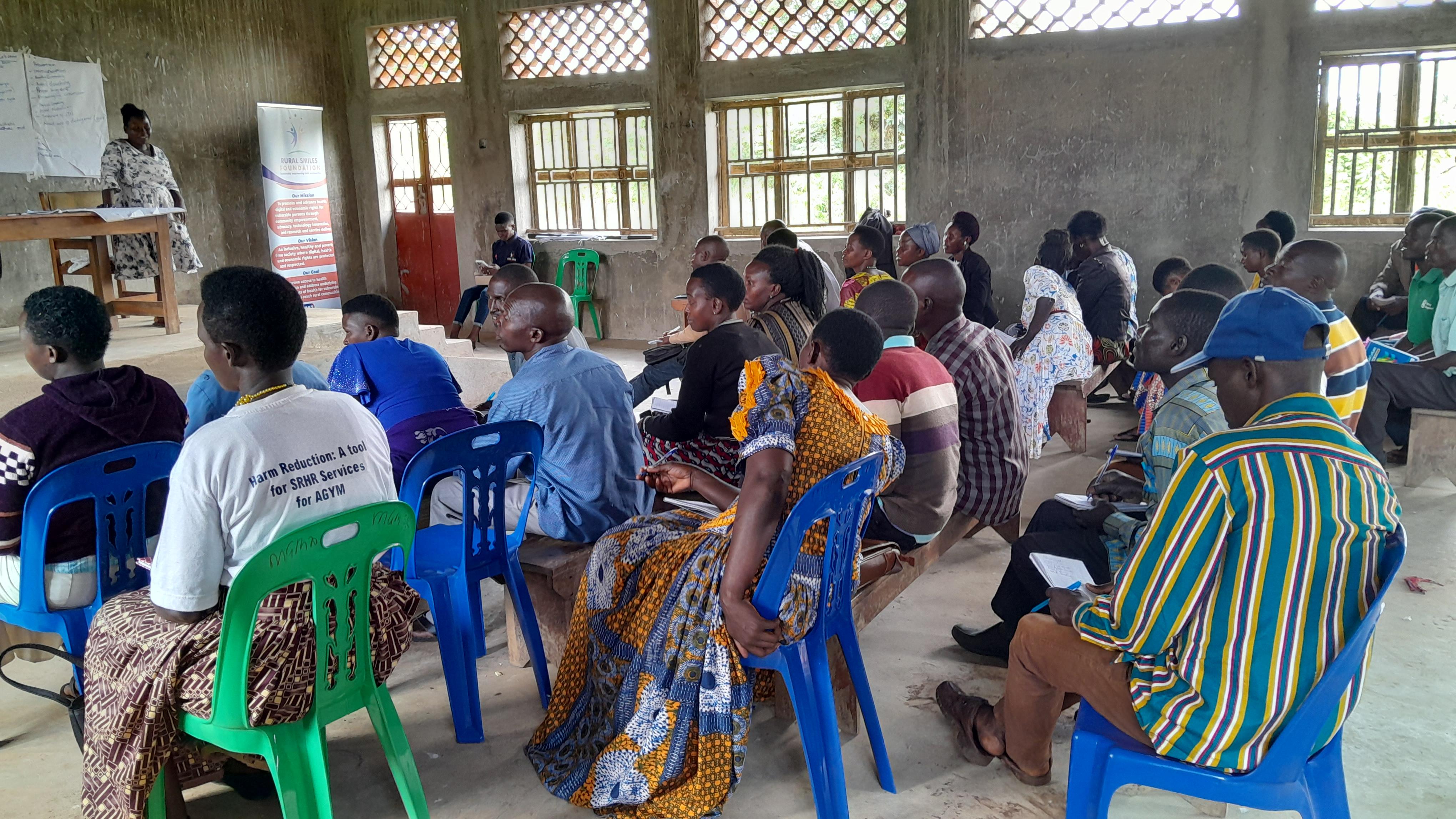
In essence, we are improving detection and treatment for cervical cancer and delivering vital health information to the communities that need it. Since the advent of this programme, we are delighted to announce that at least 700 women have been screened for cervical cancer. This article provides some background on the causes of cervical cancer and our work in this area.
We are greatly reliant on the generous support of you, our donors, to advance this next round of the initiative. Please read to the end of the post for further details on your impact.
Safe Sexual Practices
Cervical Cancer is non-communicable, meaning that it cannot be spread from person to person. However, women become more vulnerable to the disease following infection with the HPV virus, a common sexually transmitted infection. For this reason, protective sexual behaviours, including the use of barrier devices, are vital to reducing the incidence of cervical cancer. Tragically, many women diagnosed with cervical cancer face abuse or neglect from those closest to them because the disease is often linked to stigma around female sexuality.
Education and Capacity-Building
Fear and misinformation keep women away from cervical cancer screening and treatment. As with other forms of cancer, early detection is critical. Treatment is cheaper and less invasive at the pre-cancer stage, when abnormal cell changes that could develop into cancer are detected. A study conducted across rural and urban communities in Uganda revealed a worrying trend, with many participants wrongly ascribing cervical cancer symptoms to their personal medical history. For example, a woman living in rural Uganda had put her unusual bleeding down to a past miscarriage.
Our educational training set the record straight on cervical cancer. We refute harmful misconceptions, and cover how to prevent cervical cancer and where to find a local clinic. Our community ambassadors have worked alongside local partners to design culturally relevant educational content to be shared through outreach events and radio programmes.
Atwongyeire Sheillah, who took part in one of our training camps, describes how the initiative changed her life “Many of us, including me, didn't know the signs and symptoms of breast and cervical cancer. Thank you so much for training us”.
Empowering Women
At the core of our approach is female empowerment. Our rural community ambassadors work on the ground, affirming that every woman has a right to the medical treatment that she needs. We also stress the importance of community support to recovery, and encourage our ambassadors to offer personalised home visits and run peer groups where women can share their experiences in a safe environment.
Looking to the Future
Through raising awareness of the importance of timely cervical cancer screening, we hope to serve as an example to policy makers and encourage the implementation of a similar programme on a national scale.
If you would like to support this worthwhile initiative, we invite you to donate by following this link . A donation of just £19 would supply cervical cancer education materials for ten women, while £39 would cover the costs of potentially life-saving cervical cancer screenings for two women.
Bibliography
Cárdenas-Turanzas, M., Follen, M., Benedet, J.-L. and Cantor, S.B. (2005). See-and-treat strategy for diagnosis and management of cervical squamous intraepithelial lesions. The Lancet Oncology, 6(1), pp.43–50. doi: https://doi.org/10.1016/s1470-2045(04)01712-7.
Mwaka, A.D., Walter, F.M., Scott, S., Harries, J., Wabinga, H. and Moodley, J. (2021) ‘Symptom appraisal, help-seeking and perceived barriers to healthcare seeking in Uganda: An exploratory study among women with potential symptoms of breast and cervical cancer’, BMJ Open, 11(2). doi:10.1136/bmjopen-2020-041365.
Nakisige, C., Schwartz, M. and Ndira, A.O. (2017) “Cervical cancer screening and treatment in Uganda,” Gynecologic Oncology Reports , 20, pp. 37–40. Available at: https://doi.org/10.1016/j.gore.2017.01.009.
NHS (2024). Causes of cervical cancer [online] NHS. Available at: https://www.nhs.uk/conditions/cervical-cancer/causes/. (Accessed: 1 April 2025).
Owokuhaisa, J., Turyakira, E., Ssedyabane, F., Tusubira, D., Kajabwangu, R., Musinguzi, P., Galiwango, M., Randall, T.C., Kakongi, N., Castro, C.M., Atukunda, E.C. and Maling, S . (2024) “Barriers and facilitators of retention in care after cervical cancer screening: Patients’ and healthcare providers’ perspectives,” BMC Women’s Health , 24(1). Available at: https://doi.org/10.1186/s12905-024-03343-1.
Share this post:
Related Posts
News Rural Smiles Foundation Signs One-Year Fiscal Sponsorship Agreement with The New Africa Fund to Strengthen International Giving and Locally Led Development
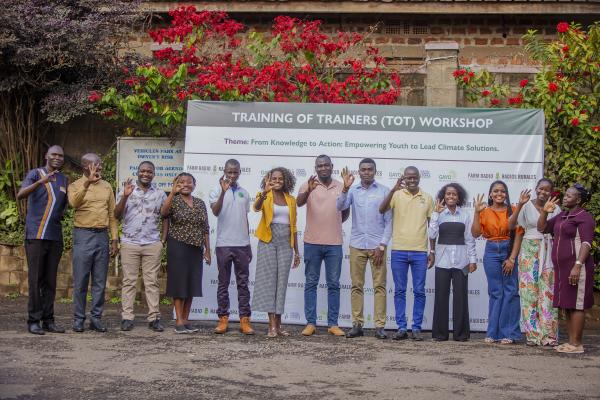
News Call for Applications: Western Region Youth Climate Action Workshop
Rural Smiles Foundation, the Western Regional Hosting Organization of the Youth Climate Council (YCC...