


Hi there! How can we help you today?

Strengthening Youth Leadership for Inclusive and Practical Climate Solutions
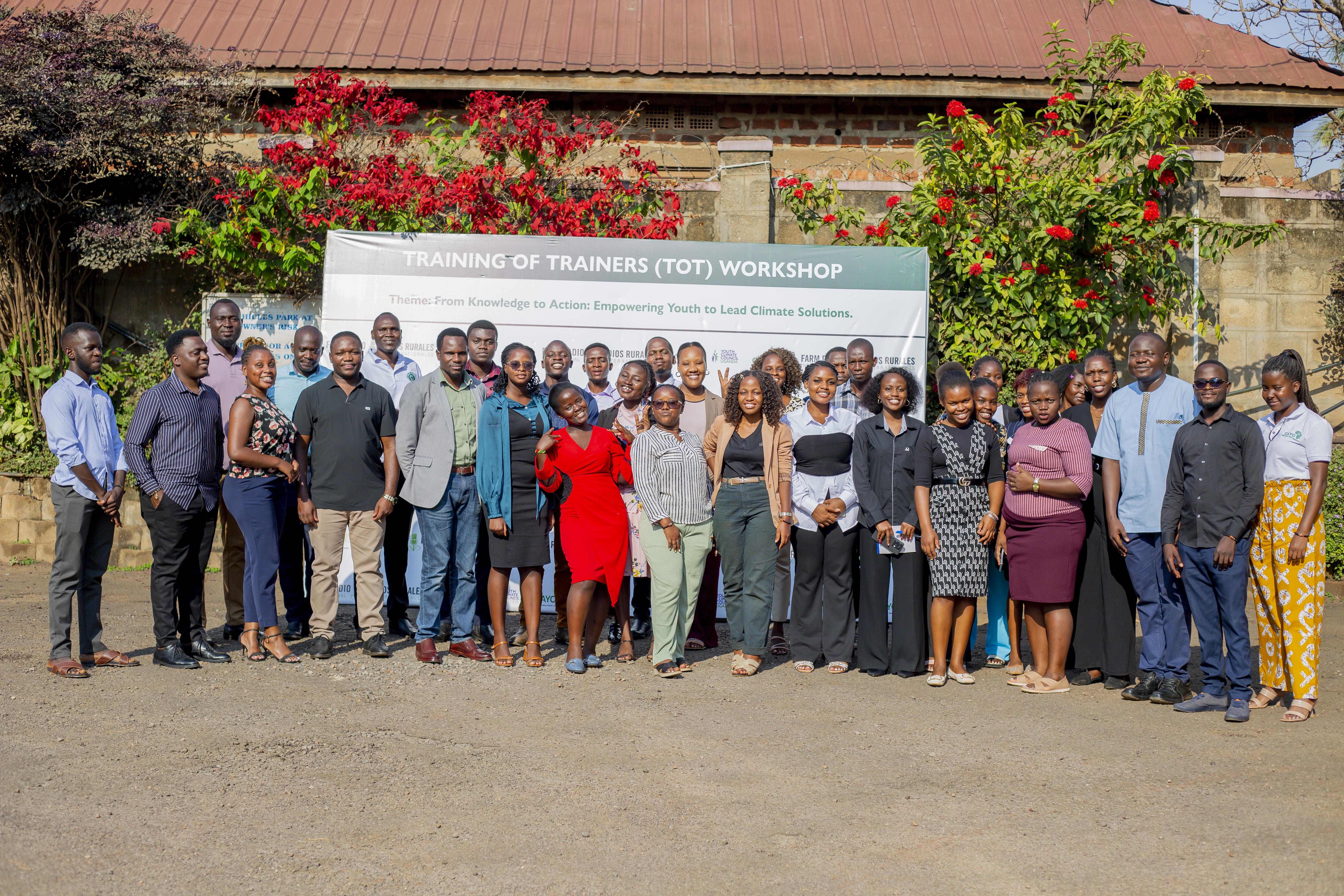
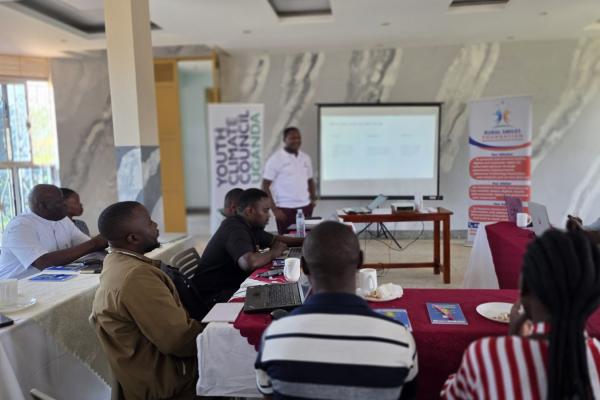
From 10 to 12 August 2026, our staff participated in a three-day Training of Trainers workshop designed to strengthen youth leadership in climate action. The workshop was held under the theme, “From Knowledge to Action: Empowering Youth to Lead Climate Solutions.” The training brought together youth climate leaders and practitioners to deepen their understanding of climate change, climate justice, national and international climate policies, advocacy, communication, climate finance and practical community solutions. It combined classroom learning, group exercises, action planning and a field visit to the GAYO Market Hub.
For us, the workshop was more than a capacity-building event. It strengthened our ability to fulfil our role as the Western Regional Host for Youth Climate Council Uganda and reinforced our commitment to advancing meaningful youth participation in climate action. It also directly contributes to our Renewable Energy and Climate Resilience work, through which we promote renewable-energy access, environmental rights, climate-resilient livelihoods, circular-economy solutions and community-led responses to climate change.
Day One: Building a Foundation in Climate Science, Justice and Governance
The first day focused on understanding climate change and the governance systems that shape climate responses. The sessions introduced participants to the foundations of climate science, the effects of climate change in Uganda, and the relationship between climate adaptation and mitigation. Climate adaptation involves helping communities, institutions and ecosystems adjust to current or anticipated climate impacts. Mitigation focuses on reducing the causes of climate change, particularly greenhouse-gas emissions, while strengthening systems that absorb carbon. Rural communities require both approaches because they are already experiencing climate-related pressures while also needing access to cleaner and more sustainable development pathways. The discussions connected climate change to the realities facing communities across Uganda. These include unpredictable rainfall, prolonged dry periods, flooding, declining soil fertility, reduced agricultural productivity, water insecurity, environmental degradation and growing pressure on household livelihoods. These challenges particularly affect communities that depend on rain-fed agriculture and have limited access to finance, technology, information and resilient public services.
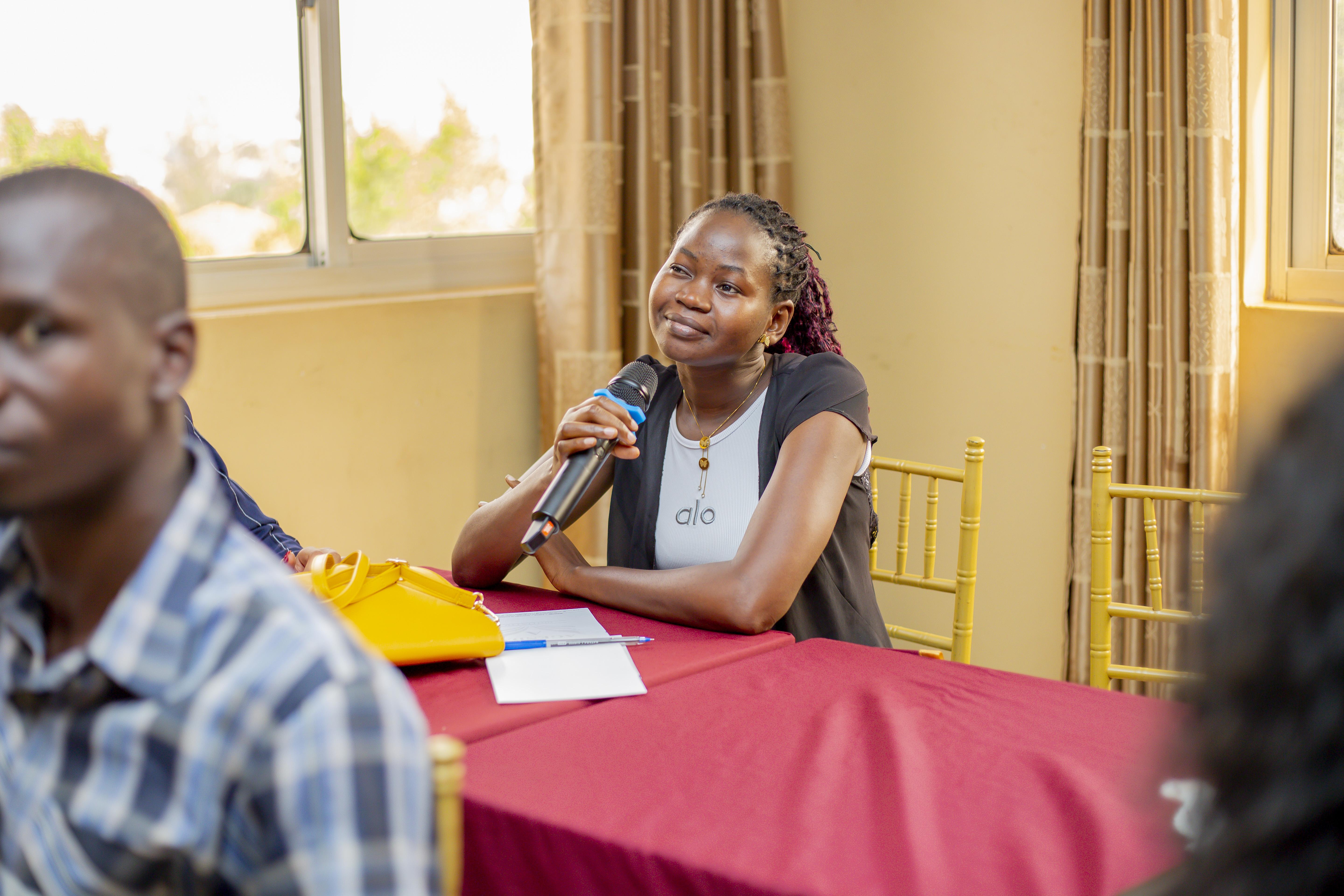
The first day also placed climate change within a justice and human-rights framework. Participants explored climate justice, gender and climate change, human rights, social inclusion and youth participation. Climate change does not affect everyone equally. Women, young people, persons with disabilities, low-income households and communities in environmentally vulnerable areas often experience greater exposure to climate risks while having fewer resources to respond. Climate solutions must therefore be designed with affected communities rather than imposed on them. This approach reflects our commitment to participatory and inclusive programming. We believe communities should not be treated only as beneficiaries of climate projects. They should be involved in identifying problems, selecting solutions, monitoring implementation and holding institutions accountable.
Connecting Global Climate Commitments to Uganda’s Policies
A major component of the first day was understanding national and global climate governance. Participants examined the United Nations Framework Convention on Climate Change, the Paris Agreement and the global Conference of the Parties process. The United Nations Framework Convention on Climate Change provides the international framework through which countries cooperate to address climate change. The Paris Agreement builds on this framework by bringing countries together around efforts to limit global temperature increases, strengthen adaptation and support climate-resilient development.
Participants also examined nationally determined contributions. These are the climate commitments through which countries identify the actions they intend to take to reduce emissions and adapt to climate impacts. Uganda’s nationally determined contribution provides an important framework for aligning government, civil society, private-sector and community climate initiatives with national priorities. At the national level, the workshop covered Uganda’s Climate Change Act, national climate policies and the National Adaptation Plan. These laws, policies and plans provide a basis for coordinating climate action, defining institutional responsibilities and integrating climate considerations into national and local development.
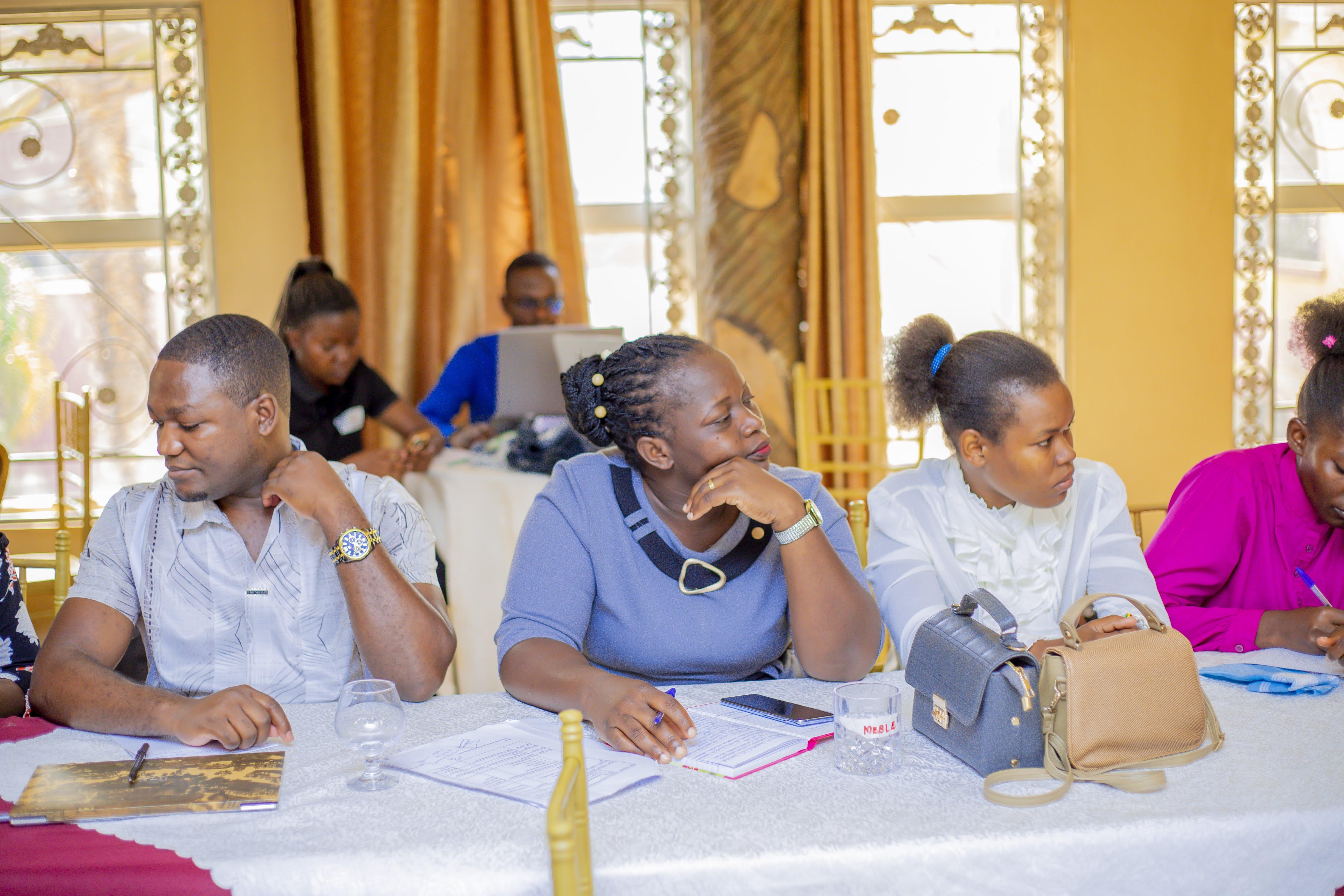
Understanding these frameworks is essential for meaningful youth participation. Young people cannot effectively influence climate decisions if they do not understand the laws, institutions and policy processes through which those decisions are made. The sessions helped us connect global commitments with country-level responsibilities and community realities. They also helped identify opportunities for youth and civil society organizations to participate in policy dialogue, contribute local evidence, engage public institutions and monitor whether climate commitments are producing results for communities. A group exercise on mapping climate-governance structures enabled participants to examine the institutions and stakeholders involved in climate decision-making. This practical exercise reinforced the importance of understanding who holds responsibility, who has influence, who is affected and where opportunities for engagement exist.
Day Two: Advancing Youth Leadership, Advocacy and Communication
The second day focused on becoming effective climate leaders and communicators. Participants strengthened their skills in climate leadership, advocacy planning and stakeholder mapping. Effective advocacy begins with a clearly defined problem and a realistic understanding of the change being sought. It also requires identifying the institutions and individuals with the authority or influence to make that change possible.
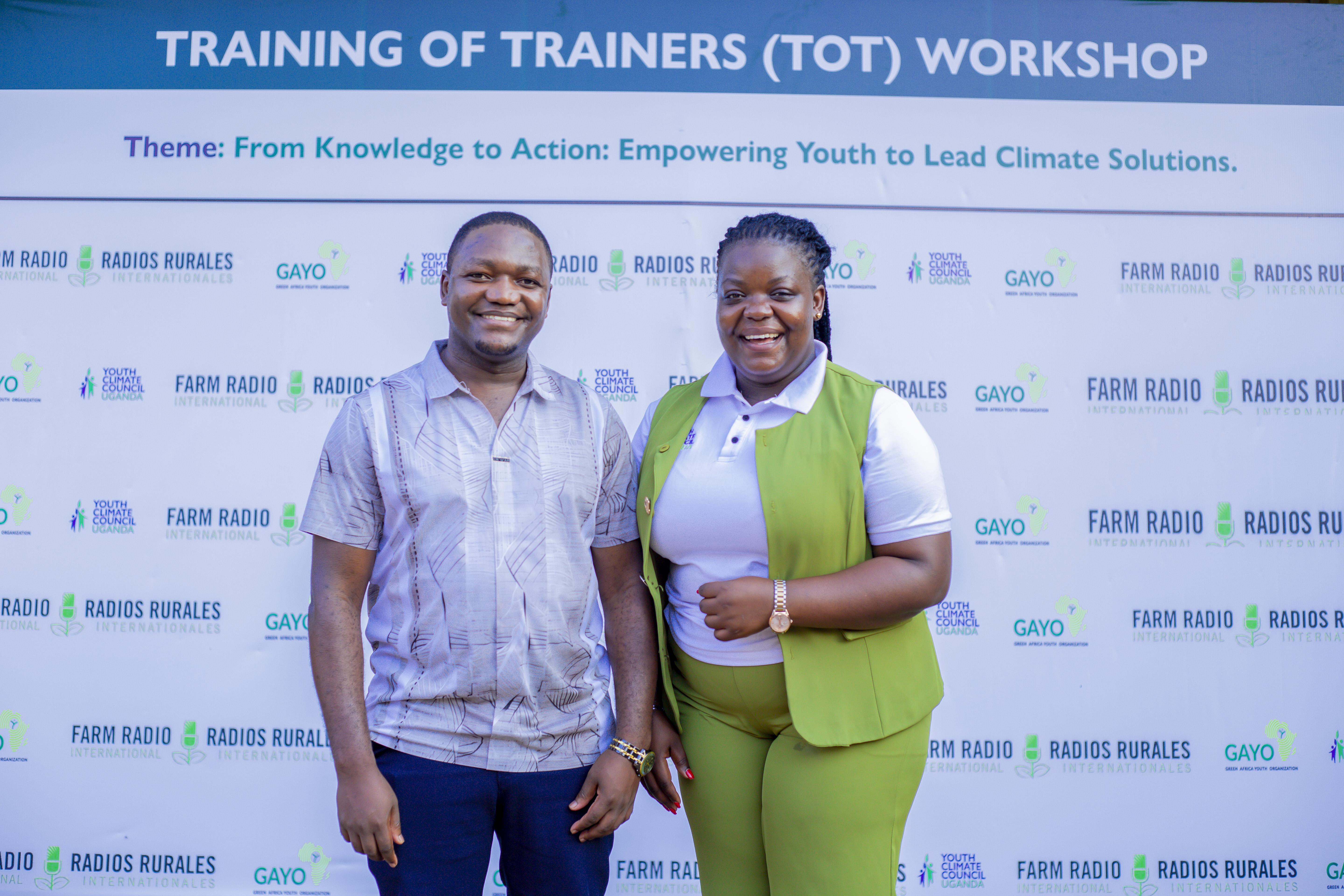
Stakeholder mapping helped participants consider the different actors involved in climate action, including communities, local governments, national institutions, civil society organizations, technical agencies, media, researchers, development partners and private-sector actors. Understanding the interests and influence of these stakeholders is important when building partnerships or planning advocacy. The training also addressed coalition building, community mobilization, legislative engagement and negotiation. Climate challenges are interconnected and cannot be addressed by one organization or institution acting alone. Effective climate action requires collaboration across sectors, levels of government and communities.
For us, these sessions were particularly relevant to our regional hosting role. As the Western Regional Host for Youth Climate Council Uganda, we are working to strengthen coordination among young climate leaders and connect them with decision-making platforms. This requires credible partnerships, inclusive mobilization and sustained engagement with public institutions and other climate actors. The workshop reinforced that meaningful youth engagement must go beyond inviting young people to attend events. Young people need timely information, appropriate skills, safe participation spaces and genuine opportunities to influence priorities, budgets, policies and implementation. Young people should be recognized as leaders, innovators, advocates and partners. Their lived experiences and local knowledge should inform climate planning, especially in communities where youth unemployment, environmental degradation and climate vulnerability intersect.
Communicating Climate Change Effectively
The second day also examined climate communication, storytelling, behaviour-change communication and public speaking. Climate information is often presented in technical language that may be difficult for communities to understand. Effective communication requires translating scientific and policy information into messages that are clear, accurate and relevant to people’s everyday experiences. Storytelling can help communities and decision-makers understand how climate change affects real lives, livelihoods and public services. However, stories must be supported by credible evidence and used ethically. They should amplify the voices of affected people without exploiting their experiences.
Participants also explored media engagement, social media advocacy, digital campaigns and ways of countering misinformation. Digital platforms can help young people reach wider audiences, organize campaigns and participate in climate discussions. At the same time, inaccurate or misleading climate information can weaken public understanding and undermine effective action. These sessions strengthened our ability to communicate climate issues through community engagement, public advocacy, traditional media and digital platforms. They also connect with our wider work on digital rights and internet freedom by reinforcing the importance of safe, inclusive and evidence-based digital participation.
Day Three: Financing and Implementing Climate Solutions
The third day focused on moving from climate ideas to sustainable implementation. Participants explored climate-finance architecture, the Green Climate Fund, carbon credits and carbon markets. Climate finance is essential because communities and youth-led organizations may have strong ideas but lack the resources needed to implement them. Understanding climate-finance mechanisms helps organizations assess available opportunities, develop stronger proposals and align their initiatives with national and international priorities. The workshop also covered proposal development, resource mobilization and green entrepreneurship. Participants examined how climate action can generate social and environmental benefits while creating sustainable livelihood opportunities. Green entrepreneurship is particularly important for young people because it connects climate solutions with employment, enterprise development and local economic resilience. Opportunities may emerge in renewable energy, organic waste recovery, sustainable agriculture, recycling, clean cooking, ecosystem restoration and other environmentally responsible value chains. However, green enterprises must respond to real community needs and demonstrate practical value. A strong climate enterprise should have a clearly defined problem, a workable solution, a realistic market or community-use case and measurable environmental benefits.
Circular Regenerative Agriculture and Zero-Waste Solutions
A central area of learning on the third day was circular regenerative agriculture and community climate solutions. The sessions covered agroecology, circular-economy practices, composting, climate-smart agriculture and nature-based solutions. Circular regenerative agriculture seeks to reduce waste, restore natural systems and keep resources in productive use for as long as possible. It differs from linear systems in which resources are extracted, used and discarded. Under a circular approach, materials that would ordinarily be treated as waste can be recovered, processed and returned to productive use.
Regenerative approaches focus on rebuilding soil health, protecting biodiversity, conserving water and strengthening the long-term productivity of agricultural systems. This is important for rural communities experiencing declining soil fertility, unpredictable rainfall and growing production costs. Composting can transform organic waste into soil-improving material. Agroecological approaches can strengthen biodiversity and reduce dependence on harmful inputs. Climate-smart agriculture can help farmers manage climate risks while improving productivity and resilience. Nature-based solutions can restore ecosystems while supporting water security, food production and climate adaptation. Zero-waste approaches encourage communities and enterprises to reduce the amount of material discarded and identify opportunities for recovery, reuse and transformation. When designed properly, these approaches can improve environmental health, reduce pollution and create new livelihood opportunities. The sessions demonstrated that environmental protection and economic empowerment do not have to be treated as separate objectives. Community climate solutions can restore ecosystems, reduce waste, strengthen food security and generate income at the same time.
Practical Learning at the GAYO organic waste material recovery facility
Our classroom learning was complemented by a practical visit to the GAYO organic waste material recovery facility, where we toured an organic waste material recovery facility. The facility demonstrated how organic waste can be collected, recovered, processed and transformed into briquettes and other value-added products instead of being discarded. This practical experience helped us understand how circular-economy and zero-waste principles can be applied within a working community enterprise.
During the visit, we observed the preparation of organic material, the machinery used during production and the formation of finished briquettes. We interacted with the facility team and examined products emerging from the material-recovery process. Briquette production provides an example of how recovered organic material can be transformed into alternative cooking fuel. When responsibly produced and used, briquettes can help diversify household and institutional fuel options while reducing pressure on conventional charcoal and firewood.
The facility also illustrated the livelihood potential of organic waste recovery. Waste collection, material preparation, processing, product development and distribution can create employment and enterprise opportunities for young people. Beyond briquette production, organic waste material recovery can support the manufacture of other useful products and contribute to improved waste management. The approach recognizes waste as a potential resource and creates value from materials that might otherwise contribute to pollution or unmanaged disposal. The visit also included exposure to farming and post-harvest practices. These demonstrations connected our learning on regenerative agriculture, resource efficiency and green entrepreneurship to practical production systems. The experience reinforced an important lesson: effective climate action must be practical, locally appropriate and economically realistic. Communities are more likely to adopt climate solutions when those solutions address environmental challenges while responding to livelihood, energy and production needs.
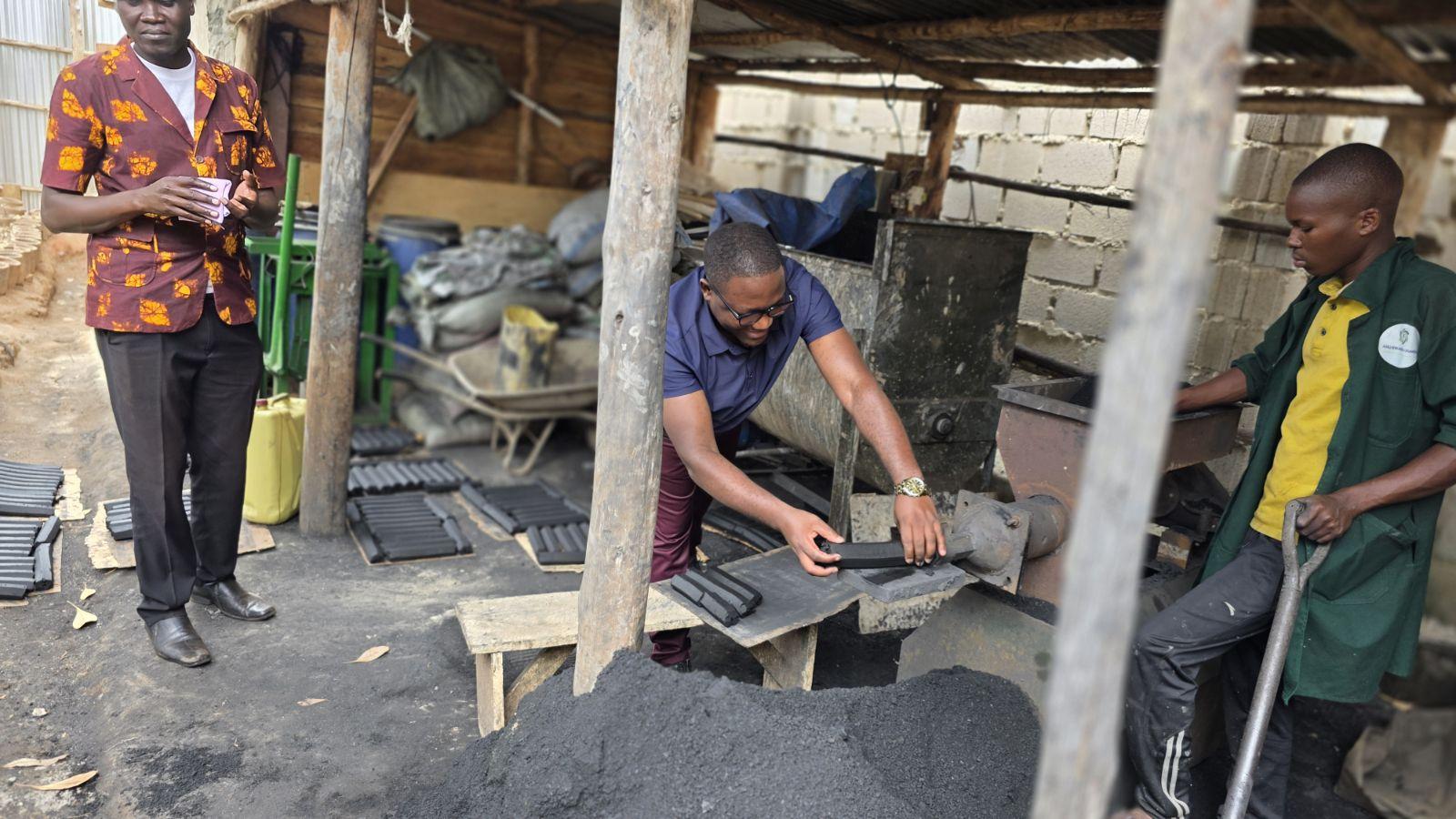
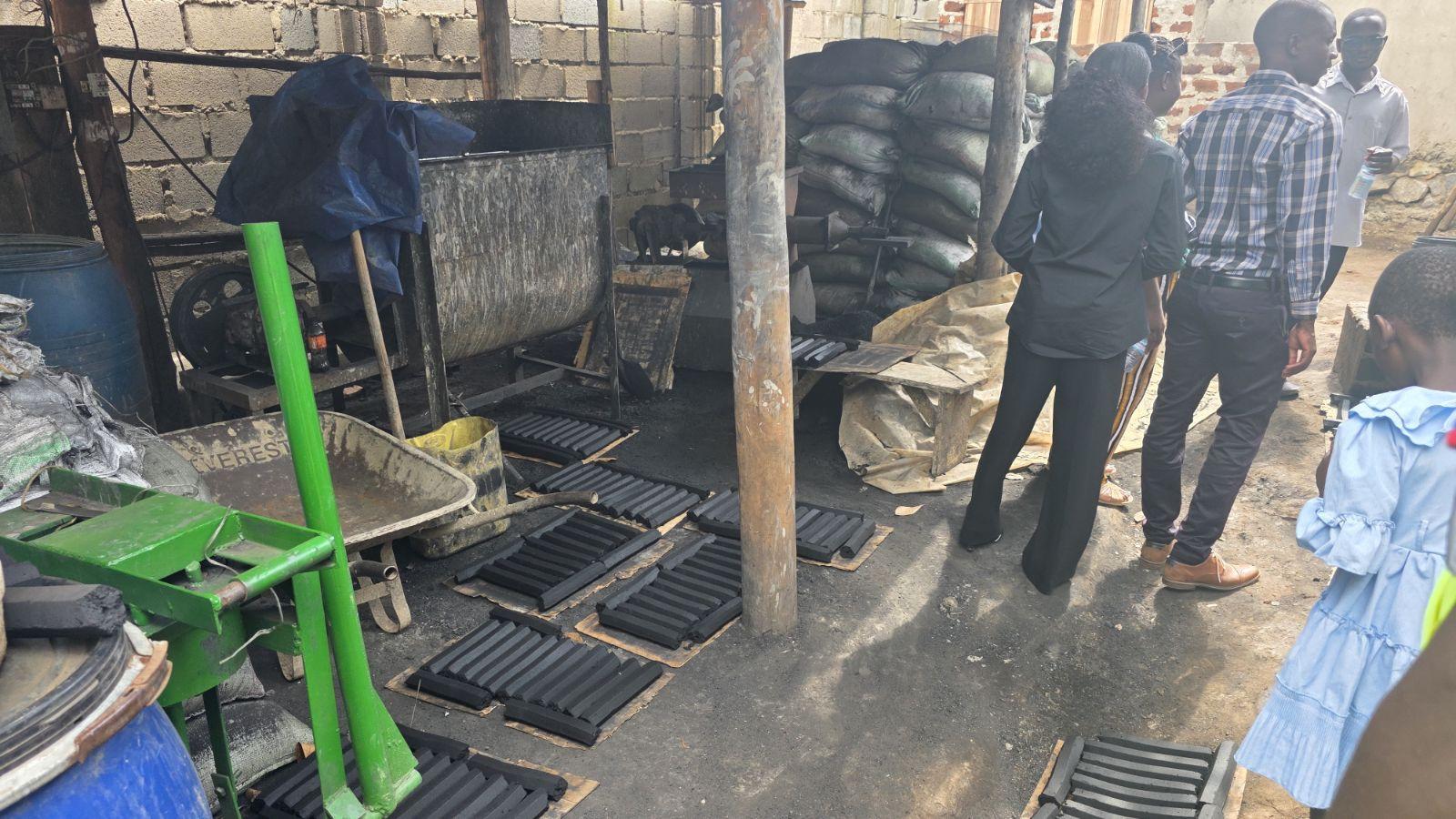
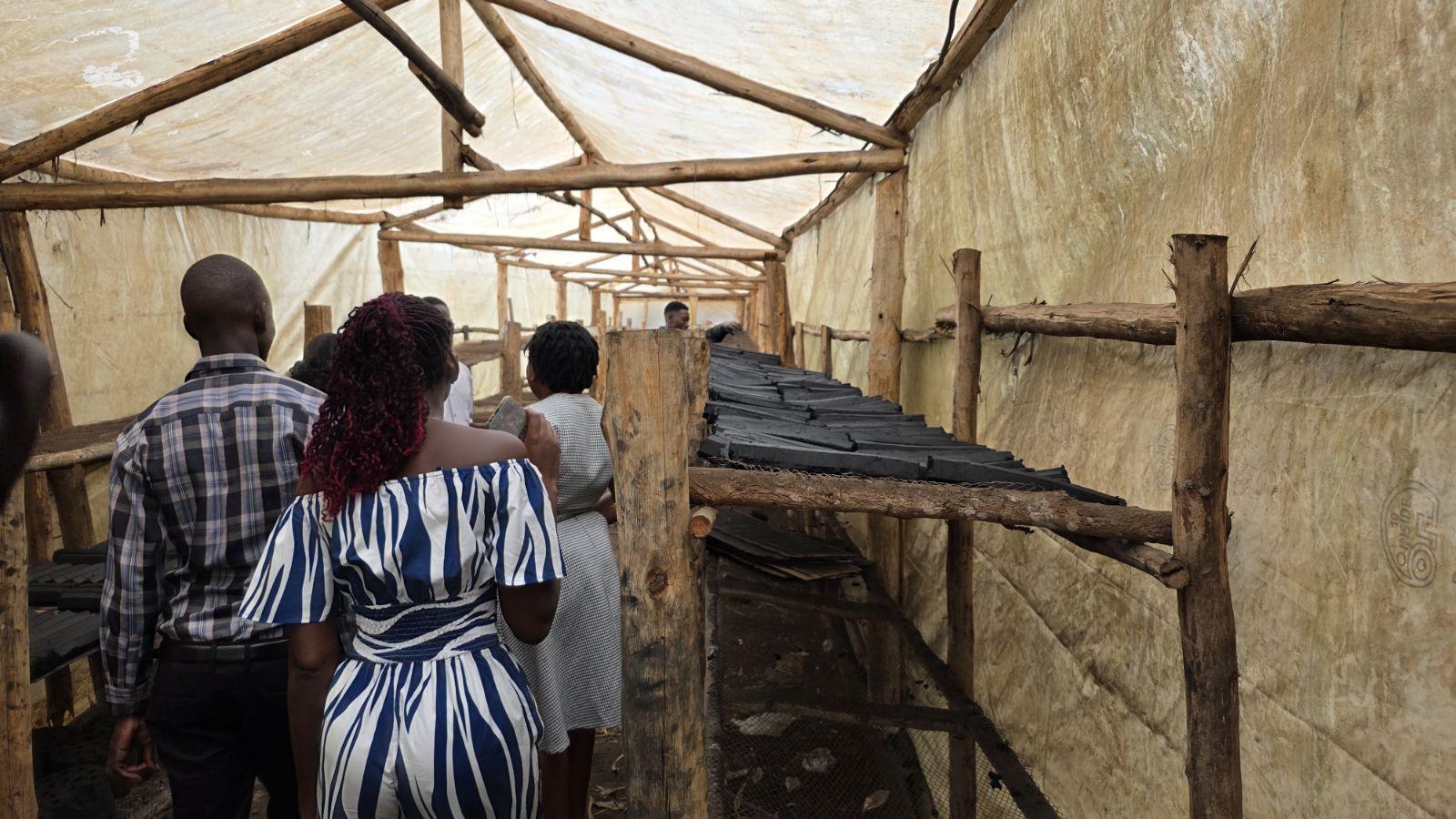
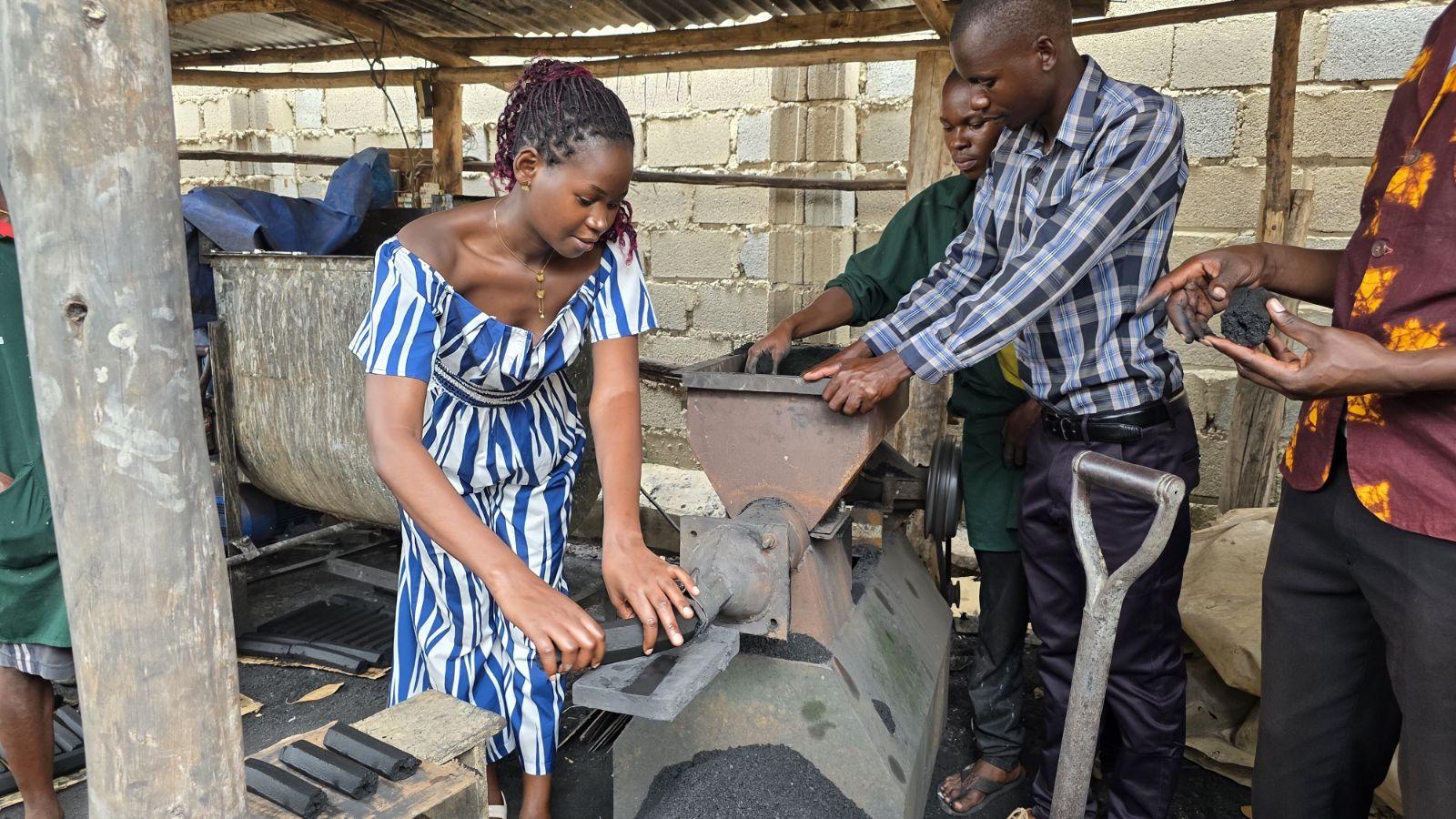
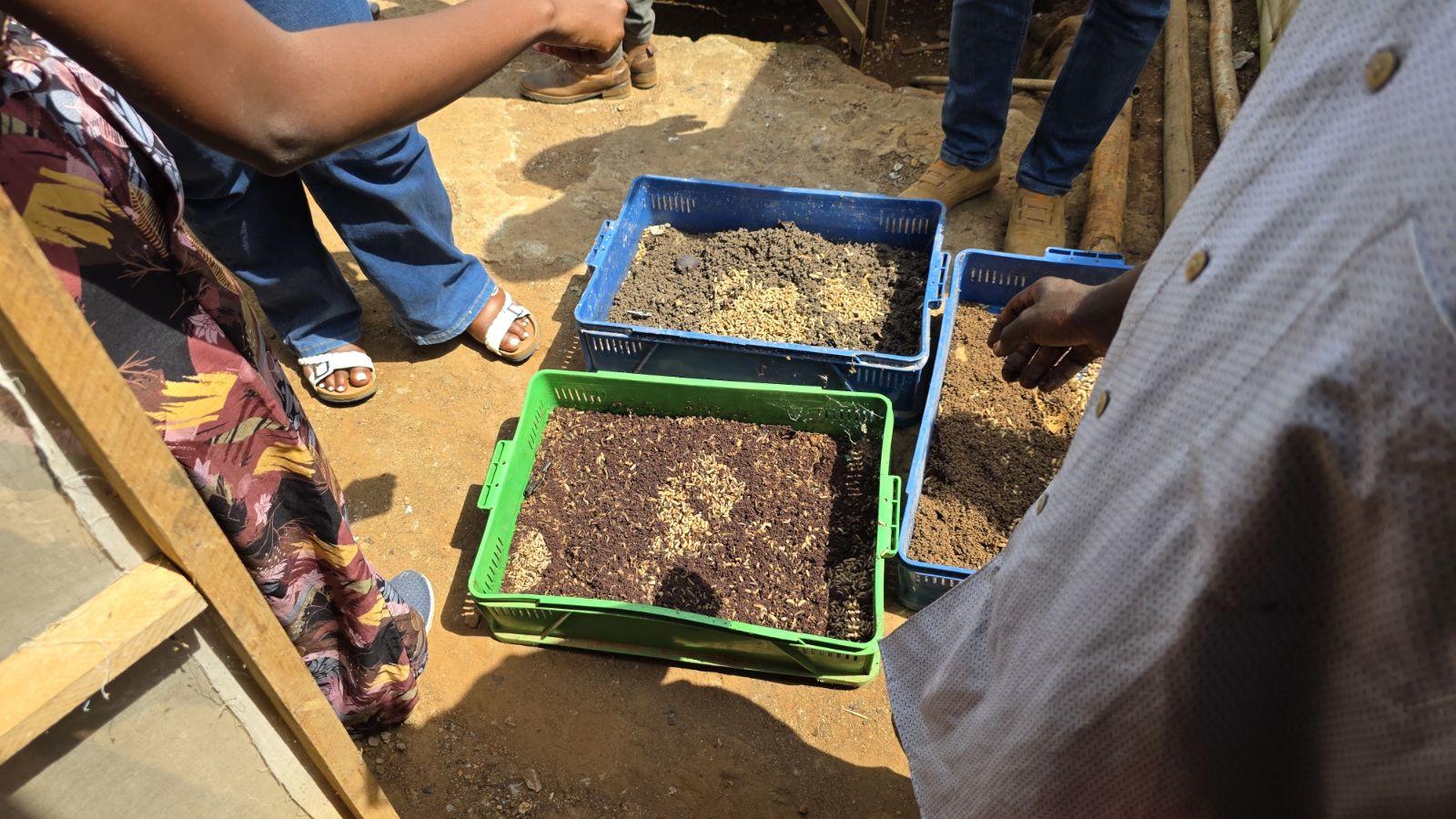
Photo caption: Our representatives observe how recovered organic material is processed and transformed into briquettes and other value-added products.
As the Western Regional Host for Youth Climate Council Uganda, we have a responsibility to promote meaningful youth engagement in climate action across Western Uganda. Our role is not limited to organizing activities or mobilizing young people to attend meetings. We aim to strengthen the ability of young people to understand climate change, engage with laws and policies, develop practical solutions and participate in decisions that affect their communities.Meaningful engagement requires more than representation. Young people must be able to influence priorities, contribute evidence, question decisions and participate in implementation and accountability. Institutions must also be prepared to listen to youth perspectives and provide access to the information and resources needed for effective participation. We will use the knowledge gained from this workshop to strengthen regional coordination, facilitate knowledge sharing and support young climate leaders to engage with climate-policy processes. We also intend to connect youth climate advocacy with practical opportunities in renewable energy, regenerative agriculture, organic waste recovery, circular enterprise and community resilience.
We will build on the training by strengthening internal capacity, supporting youth climate education, improving engagement with climate policies and developing initiatives grounded in real community needs. Our next steps will focus on translating the workshop content into accessible learning for young people and communities. We will also explore opportunities to strengthen partnerships, support locally led solutions and connect youth climate leadership with practical green livelihood opportunities. Through our Renewable Energy and Climate Resilience work and our role as the Western Regional Host for Youth Climate Council Uganda, we remain committed to ensuring that young people are recognized as informed leaders, advocates, innovators and partners in climate action. The transition from knowledge to action requires consistent learning, collaboration and accountability. This workshop strengthened our capacity to contribute to that transition and reinforced our commitment to advancing an inclusive, participatory and climate-resilient future.
Geofrey - ED Rural Smiles Foundation
Share this post:
Related Posts
News Rural Smiles Foundation Signs One-Year Fiscal Sponsorship Agreement with The New Africa Fund to Strengthen International Giving and Locally Led Development
News Call for Applications: Western Region Youth Climate Action Workshop
Rural Smiles Foundation, the Western Regional Hosting Organization of the Youth Climate Council (YCC...